1. Describe what you found
Tell the team about syringes, powders, stains or smells. You do not need to explain why they are there.
Bellevue, IA · Jackson County
Worried about what a few pipes and baggies might have left on the floors and furniture? Call (877) 812-4220 in Bellevue. Cleanup crews remove the items and treat surfaces where residue may remain.
If anyone is in danger, call 911 first. For a suicide crisis, call or text 988.
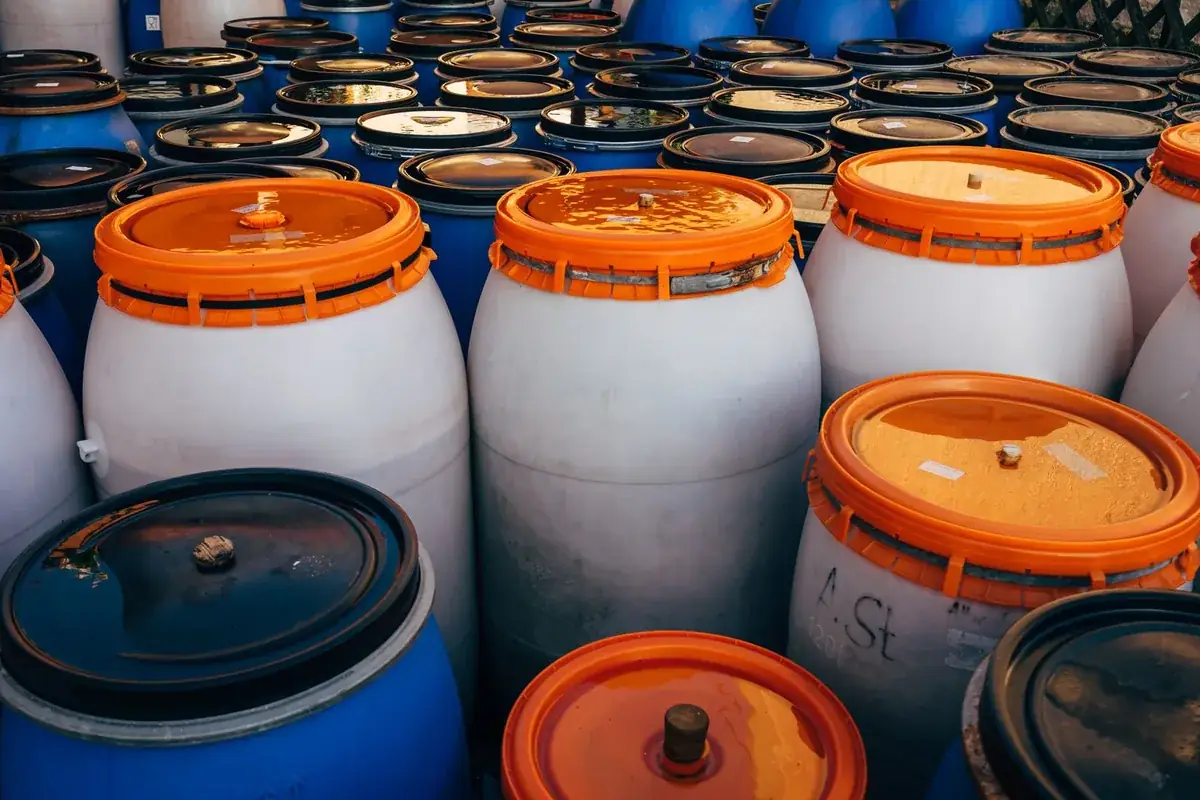
Syringe and drug item cleanup includes finding hidden sharps, lifting them with tools, sealing them in rigid containers and disposing of them as medical waste.
After a tenant leaves, you may find needles, residue or stained rooms in your Bellevue property. Call Bellevue Biohazard Cleanup Help for a team that collects sharps safely, removes soiled materials and cleans the unit, anywhere in Jackson County.
Vacant housing is about 11% of homes in Jackson County. Empty buildings can hold hidden syringes and residue, and owners often check them before repairs or sales. After a needle stick or exposure to an unknown substance, get medical care. Jackson County Regional Health Center in Maquoketa is the closest emergency room to Bellevue.
Drug Paraphernalia Cleanup in Bellevue usually includes:
Tell the team about syringes, powders, stains or smells. You do not need to explain why they are there.
Cleanup technicians use puncture-resistant gloves and tools. Unknown powders are never swept or vacuumed dry.
Items are lifted with tools into labeled containers. Soft materials that cannot be cleaned are removed and bagged.
A last pass checks for missed items, and the owner receives guidance on next steps.
The cost of drug paraphernalia cleanup in Bellevue, IA depends on the amount of material, how it is packed and how it is hauled.
Soft materials make a difference. Carpet, padding, mattresses and upholstery that took in residue or fluids may have to be removed and replaced.
| Type of job | Typical range |
|---|
Published ranges only (); every drug paraphernalia cleanup job in Bellevue is priced after an on-site look. Price drivers include amount of material, whether residue is present, surfaces affected, waste disposal. Questions? Call (877) 812-4220.
Crews wear protective gear, remove sharps and loose items, and then clean hard surfaces with EPA-registered disinfectants. Porous materials such as carpet, padding or upholstery that took in residue may be removed. The team can explain what applies to your space.
Often, yes. Many teams can arrive in an unmarked vehicle and work quietly. If privacy matters, ask about it when you call. The crew shares only what it needs to plan the work.
No. A good team asks only what it needs to plan the work, and you decide what to share. If privacy matters, ask about discreet, unmarked arrival when you call. Teams differ, so ask how the call and the visit are handled.
A careful cleanup removes the items and cleans the surfaces it covers. Testing is a separate step, and rules vary by place. Ask the team what it did and did not check, and ask the local health department what applies where you live.
The owner of the property usually pays at first. Lease terms and local law decide who is responsible in the end. A landlord, an attorney or a tenant rights group can say. Keep any record the cleanup team gives you, since a landlord or insurer may ask for it.
No. Drug paraphernalia cleanup removes used items and cleans surfaces. A site where drugs were made is a different job with its own testing and clearance steps. If you think drugs were made in the home, say so when you call.
One call can start the cleanup of a room, a rental unit or a whole home.
Call (877) 812-4220